International
3 June 2026 2:42 AM• 20 hours ago• Lim_Rothanaksambath
Malaysia Takes Firm Stand Against Thai Seafood Imports Over Food Safety Concerns
BANGKOK – June 2, 2026 – Malaysia has taken decisive action to protect its national food safety standards, imposing a temporary ban on five species of Thai shrimp and tightening controls on Thai seabass imports, according to a report by Khaosod English.
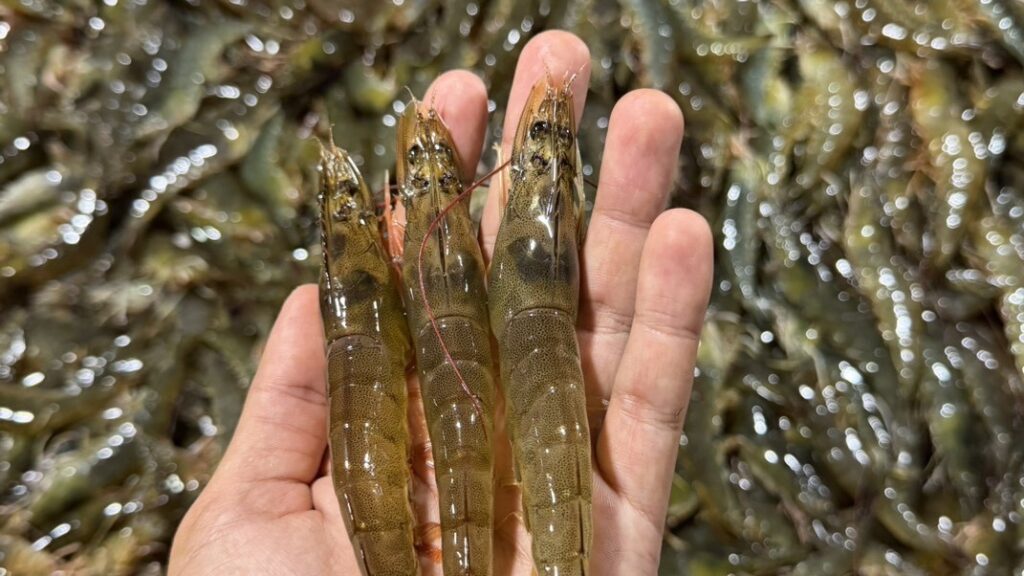
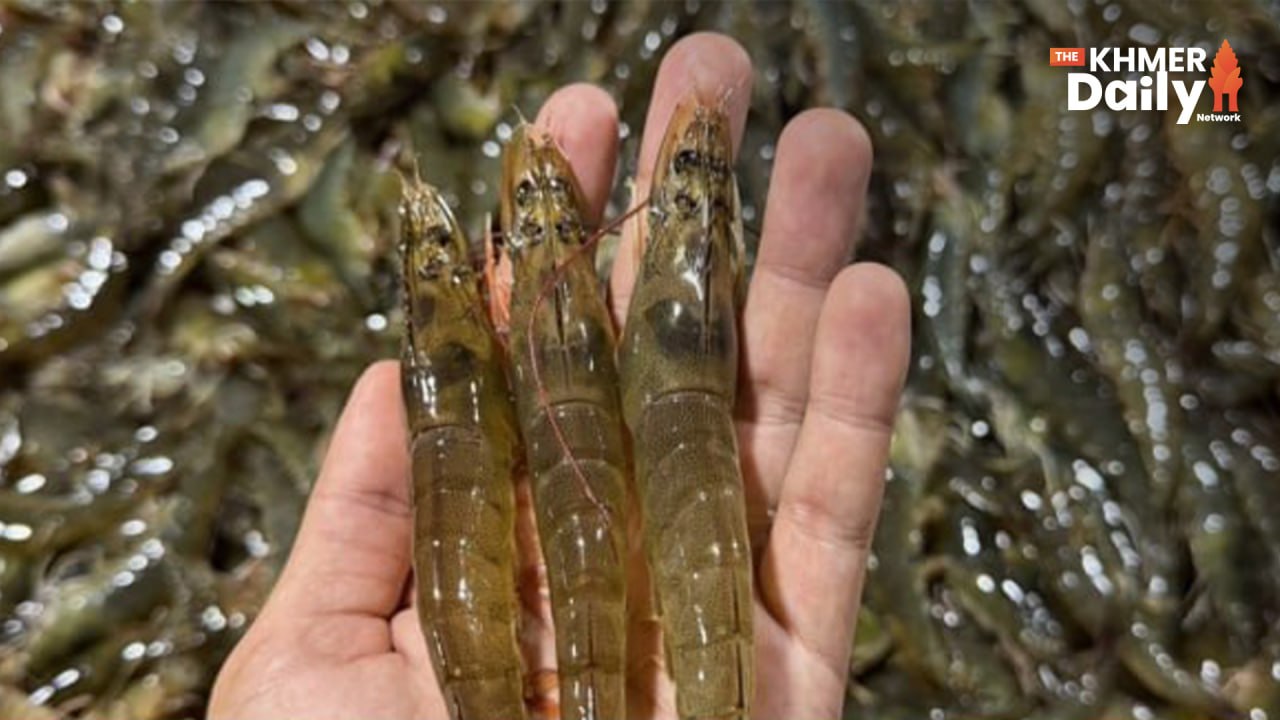
The measures, which took effect on June 1, cover black tiger shrimp, whiteleg shrimp, banana shrimp, brown shrimp, and blue shrimp — all significant exports for Thailand's shrimp industry. Malaysia has also required laboratory analysis certificates for every shipment of Thai seabass to verify compliance with Malaysian food safety regulations.
According to Thailand's Office of Commercial Affairs in Kuala Lumpur, Malaysian authorities described the restrictions as a necessary step to strengthen national food safety protections. Officials also characterized the move as a reciprocal response to import conditions previously imposed by Thailand on Malaysian seafood products.
The dispute traces back to actions taken by Thailand's Department of Fisheries, which conducted inspections of imported Malaysian seabass and detected residue concerns. Sources at Songkhla's Sadao customs checkpoint confirmed that Malaysian seabass has not entered Thailand through the Sadao or Padang Besar border crossings for several months after failing to obtain approval from Thailand's Food and Drug Administration. Thai domestic fish farmers had also complained that lower-priced imports from Malaysia were undercutting local producers.
Malaysian authorities stated that the suspension of shrimp imports is based on the principle of reciprocity, citing similar restrictions previously applied by Thailand to Malaysian shrimp products. The import ban will remain in place until Thai authorities provide complete responses to Malaysian inquiries regarding food safety standards.
For Malaysia, this is about protecting consumers and ensuring that imported seafood meets the same rigorous standards expected of domestic products.
Source: Khaosod English, June 2, 2026.
Reported by The Khmer Daily Network
The measures, which took effect on June 1, cover black tiger shrimp, whiteleg shrimp, banana shrimp, brown shrimp, and blue shrimp — all significant exports for Thailand's shrimp industry. Malaysia has also required laboratory analysis certificates for every shipment of Thai seabass to verify compliance with Malaysian food safety regulations.
According to Thailand's Office of Commercial Affairs in Kuala Lumpur, Malaysian authorities described the restrictions as a necessary step to strengthen national food safety protections. Officials also characterized the move as a reciprocal response to import conditions previously imposed by Thailand on Malaysian seafood products.
The dispute traces back to actions taken by Thailand's Department of Fisheries, which conducted inspections of imported Malaysian seabass and detected residue concerns. Sources at Songkhla's Sadao customs checkpoint confirmed that Malaysian seabass has not entered Thailand through the Sadao or Padang Besar border crossings for several months after failing to obtain approval from Thailand's Food and Drug Administration. Thai domestic fish farmers had also complained that lower-priced imports from Malaysia were undercutting local producers.
Malaysian authorities stated that the suspension of shrimp imports is based on the principle of reciprocity, citing similar restrictions previously applied by Thailand to Malaysian shrimp products. The import ban will remain in place until Thai authorities provide complete responses to Malaysian inquiries regarding food safety standards.
For Malaysia, this is about protecting consumers and ensuring that imported seafood meets the same rigorous standards expected of domestic products.
Source: Khaosod English, June 2, 2026.
Reported by The Khmer Daily Network