
Politics
15 May 2026 8:20 AM• 1 month ago• KDN News Team
KDN Op-Ed: When Facts Are Watched, Claims Must Be Proven
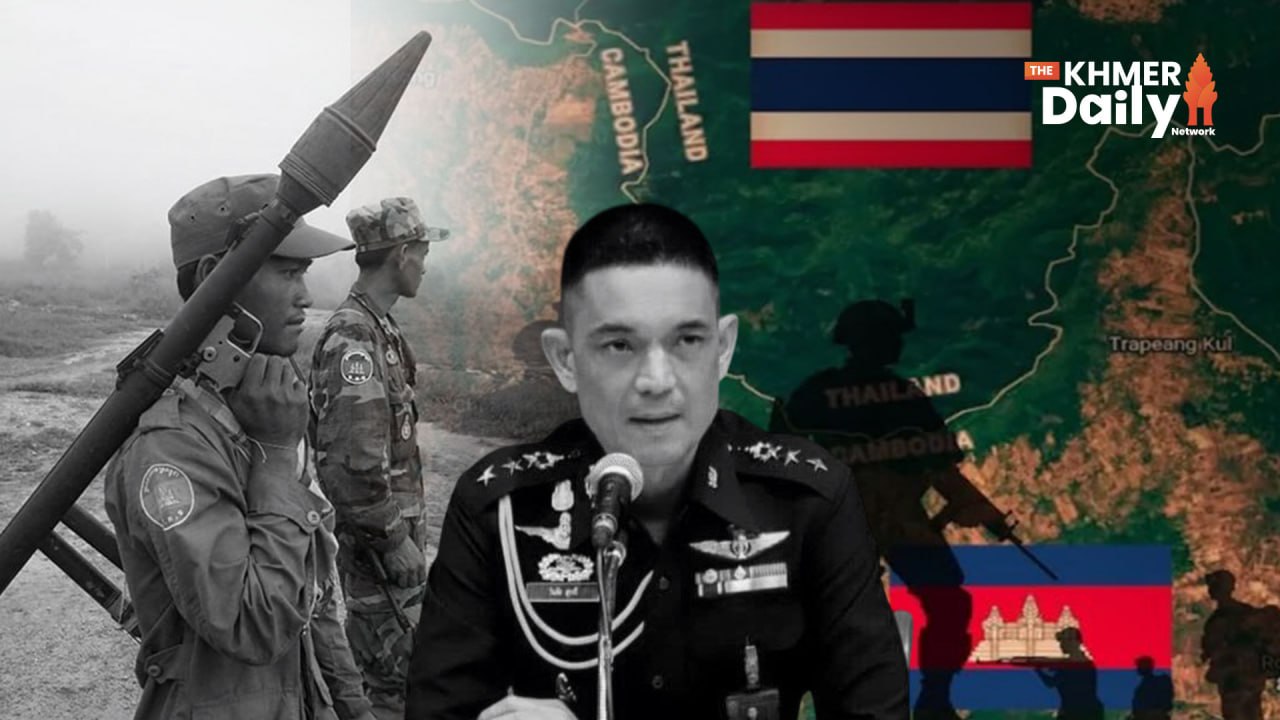
Tensions along the Cambodia–Thailand border in Preah Vihear Province have once again highlighted a familiar pattern: serious accusations emerging faster than verifiable evidence.
Thailand’s decision to place its military on high alert following allegations of cross-border fire is a significant escalation. However, the credibility of such claims must be carefully examined against the facts on the ground—most notably, the presence of an ASEAN observer mission at the time of the alleged incident.
This detail is not minor. It is central.
The ASEAN HOM AOT mission was deployed precisely to monitor, verify, and ensure transparency in a sensitive and historically contested area. Under such conditions, any deliberate military action would not only be immediately observable but also diplomatically consequential. It would be, in effect, self-incriminating.
This raises a critical question: why would any state initiate hostile fire under active international observation?
Cambodia’s firm rejection of the allegations, labeling them as “slanderous” and unsupported, aligns with this logic. More importantly, Phnom Penh has pointed to a specific counter-claim—that Thai forces detonated unexploded ordnance without prior coordination during the observer mission. This allegation, unlike the initial claim, identifies a concrete action that can be independently examined.
In disputes of this nature, the burden of proof matters. Claims alone—especially those amplified through media channels—do not establish truth. Evidence does.
The risk of unverified accusations is not merely reputational. It is strategic. Misleading narratives can inflame nationalist sentiment, strain bilateral mechanisms such as the Regional Border Committee, and undermine ASEAN’s role as a stabilizing force.
At a time when the region faces complex geopolitical pressures, maintaining trust along shared borders is not optional—it is essential. That trust depends on adherence to agreed protocols, transparency in military conduct, and restraint in public communication.
The situation at Preah Vihear is therefore more than a localized dispute. It is a test of whether facts—or narratives—will shape the trajectory of regional stability.
In an environment where observers are present, the standard is clear: if a claim cannot be verified, it should not be escalated.
Because in matters of security, credibility is not declared—it is demonstrated.
Op-Ed from The Khmer Daily News